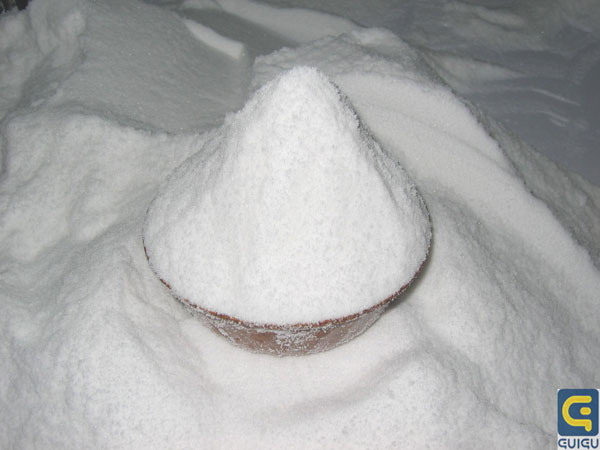
Sugar Alcohols: Maltitol

Sunday, June 22, 2008


Maltitol, is a polyols made from high maltose corn syrup. It has 90% of sugars sweetness and approximately 3.0 calories per gram. The calories in Maltitol is not much of an improvement from sugars 4 calories per gram, but because it is a polyols, it uses less insulin to digest. This makes it lower in carbohydrates and safer for diabetics to consume. Like most polyols, it does not to promote tooth decay.


All though it is considered the safest of sugar alcohols, excessive consumption may have a laxative effect. Some people have considerable trouble tolerating even small doses of Maltitol. Studies have shown this may be due to the fact that in some people, the digestive process extracts considerable amounts of sorbitol. My friend wrote to me about his encounter with maltitol, and said he was in significant discomfort.


For most people Maltitol in small doses is harmless, how ever it does have a laxative effect close to Sorbitol and other polyols. Low carbohydrate diets are advised to avoid maltiol, due to the low reduction from calories to sugar. While diabetics may find some relief in the lower hypoglycemic levels of maltitol, they should be concerned with the amount ingested.

Reference links

Sugar Alcohols: Sorbitol

Monday, June 16, 2008


Sorbitol is a sugar alcohol with two thirds the calories of sugar, and 60% of sugar's sweetness. It like many sugar alcohols is not fully absorbed in the digestive process, keeping insulin levels lower then sugar would. It also does not promote tooth decay.


Sorbitol is used as a bulk sweetener, it is often used for the texture or taste it can add to food products. It has been used in a variety of products reduced in calories, sugar, or fat. Sorbital has been used for almost half a century already, it occurs naturally in a wide variety of fruits and berries.


Sorbitol has been declared as GRAS for food product use by the FDA and is approved for use by the European Union and others, including Australia, Canada and Japan. Sorbitol has many other uses apparently, in addition to food products it can be used in medications such as the following.

SORBITOL ORAL - This medication is used as a laxative to treat occasional episodes of constipation.
or
3% Sorbitol Urologic Irrigating Solution- indicated for use as a urological irrigating fluid with endoscopic instruments during trans urethral procedures requiring distension, irrigation, and lavage of the urinary bladder. It may be used for lavage of an indwelling catheter to maintain patency.

However Sorbitol has some serious down sides and dangers. It has been linked to or believed to be linked to all of, and not limited to, the following.

  • dehydration
  • Irritable Bowel Syndrome
  • diarrhea
  • rectal bleeding
  • vomiting
  • weakness
  • dizziness
  • persistent urge to empty the bowel
  • flatulence

sorbitol in quantities as low as 10g per day causes diarrhea - brought on by the so-called osmotic purge happening in the gut.

Sorbitol is a polyalcohol sugar and is neither digested nor absorbed by the small intestine. It passes through to the colon where it drives an osmotic purge (2). This means it passes through the lining of the intestine causing fluids (mostly water) to pass through in the opposite direction via osmosis. Bowel motions become watery and lead to dehydration and over time, other consequences like malabsorption of nutrients.

Link: http://www.foodintol.com/food_intolerance/hot_ibs.htm

Sorbitol may even be hazardous to diabetics, child development, and may even cause fetal damage in pregnant woman.

It is important to remember that Sorbitol is a NATURAL substance our body uses every day. How ever introducing anything, no matter how beneficial, in large and unnatural amounts is dangerous. It just so happens that sugar alcohols occur in extremely small amounts naturally and increasing them threw artificial means, can be dangerous. This is not to say never use it, I am just trying to say maybe it's better to solve the sweet tooth with natural fruit then with a sugar free cake.

Links: reference

Sugar Alcohols: Xylitol

Monday, June 9, 2008


Xylitol, can be considered one of the better Sugar Alcohols on the market. It is one of the most common polyols found in our natural food supplies. This Sugar Alcohol is often made from foods like fruits, berries, mushrooms lettuce, hardwoods, and corn cobs.

Our body actually produces some of this substance naturally in digestion and is considered a regular part of metabolism. The human body can even produce up to 15 grams of Xylitol depending on our diet.

Xylitol is also promoted for tooth care, it is believed that regular use of small amounts can help protect your teeth. It has been identified that using gum or candies made with Xylitol can stimulate saliva, witch in turn, helps keep your teeth in good shape. Some even claim that it can kill bacteria in your mouth it's self.

The daily recommendation for Xylitol is 12 to 15 grams. This however INCLUDES what your body makes naturally. Most gums and candies made of Xylitol contain .7 to 1 gram, in it's self.

The real warnings you need to know are simple. DO NOT EXCEED 15 GRAMS A DAY. Failure to comply will cause side effects. It is said that consuming 400 grams would be highly toxic to humans, and there are great concerns on the processing techniques used to mass produce Xylitol.

In lab tests, Xylitol will kill a rat 50% of the time in a dosage of 16.5 grams of Xylitol for every 1000 grams of rat. Medium rats weigh 100-120 grams, or say .25 pounds. That means, to kill a 100 gram rat, you need only to get the rat to consume, 1.65 grams of Xylitol.


There is great debates on the conclusiveness of the published MSDS for Xylitol, critics say they are inconclusive and not been proved safe for consumption. The FDA has however labeled Xylitol as GRAS for human consumption. Please note these concerns are aimed only at the MASS produced versions and not the naturally occurring substance made plants or by your body.

Resources Link: Here

A Bit More on Sugar Alcohol

Sunday, June 1, 2008


The more I read on Sugar Alcohol, the more I need to look up, here is my basic summaries on what I have discovered so far.


Sugar Alcohol 101


Sugar Alcohols are natural occurring chemicals found in foods, most commonly starches and sugars. Their chemical make up closely resembles that of both sugar and alcohol, but the substance does not contain either one. It is technically a group of carbohydrates called Polyols.

The production of these "Polyols" depend on what form of Sugar Alcohol you want. Some are extracted and some are refined from different assortment of plants and berries. Their common uses include that of bulking agent, flavoring and sweeteners.

Sugar Alcohols, once ingested are incompletely absorbed from the small intestine into the blood. This is why they are considered low carbohydrate and advertised to have weight loss and blood sugar benefits. This slow and incomplete digestion may also lead to diarrhea, bloating, cramps, and gas. This is often effected by the amount eaten and the severity greatly varies from person to person, and by types of Polyos used.

Sugar Alcohols have been determined to not decay teeth, they are considered unfermentable carbohydrates. Simply put, they do not produce the sugar acids that eat away your teeth.

For the most part, Sugar Alcohols seem to be "safe for consumption" due to the fact they are natural substances we eat in common fresh produce and grains. The dangerous part comes when people start to ingest abnormal amounts of them. The more low carbohydrate and sugar free products we eat, the more we add chemicals to our bodies in unnatural amounts.

I still have a whole lot more on this subject, and it would seem that Sugar Alcohols need to be broken down and identified by their subgroups and individually to determine the effects, benefits, and hazards of use. As it seems not all Sugar Alcohols are equal and some are much more hazardous then others.

I hope to have the dieting and blood sugar article done this week, but I will be out of the house and heavily medicated a few days. That may postpone the heavy writing until the week after.

References Link

Sugar Alcohols?

Wednesday, May 28, 2008

A friend of mine asked me the other day what I knew about Sugar Alcohol. He seemed quite optimistic at the claims made on the effects for weight loss and blood sugar. As it turns out most people don't know or don't understand properly what Alcohol Sugar is or what it does. As my concerns in nutrition cover weight loss, sugar levels and carbohydrates, I looked a bit deeper in to the topic.

Sugar Alcohol is a low calorie sweetener or flavoring commonly used to replace sugar or improve tastes of artificial sweeteners. They do not contain sugar or alcohol and are considered safe for consumption. Common examples are: Glycerol, Erythritol, Xylitol, Ribitol, Mannitol, Sorbitol, Isomalt, Maltitol, and Lactitol.

In short, we look forward to the advantages of Sugar Alcohols as a substitute to sugars because it's not known to cause weight gain, raise your hypoglycemic levels, or decay teeth like sugar.

Even thought all sweeteners and food products are extensively studied before FDA approval, we still need to be concerned with how much we use because it's a newly approved product, there are some known side effects, and a lot of claims are still in debate.

**Please note that Alcohol Sugars have not been "approved" as a whole, but some forms have been approved for limited use. The FDA official stand is "generally recognized as safe" and others as approved food additives.

I am always cautious of "new products" as some are ban after they have been approved for years. After all at one time we all painted our homes with lead and asbestos was the next big revolution in construction.

I am currently doing research in to the following topics of Sugar Alcohol: Pros, Cons, Warnings and Interactions, Sugar Alcohols with Dieting, Sugar Alcohols with Diabetes. There will be new articles and information found on this topic within the next few weeks.

References.

Food Rookie: Sugar Free Marinara Sauce

Saturday, April 26, 2008

This is a really quick and simple way to make a rich and creamy or chunky tomato sauce with out adding sugar.

Ingredients

  • 1 table spoon olive oil
  • 1/2 a carrot - chopped fine (25 to 50 grams)
  • 1 small onion -chopped fine (50 to 75 grams)
  • 2 cloves of garlic - minced (3 if you really love garlic, 1 if you don't)
  • 1 bay leaf
  • 1/2 tea spoon crushed hot pepper flakes (optional or adjust to likening)
  • 1-1/2 table spoon Italian seasoning (oregano, basil, thyme, marjoram, sage, savory, and rosemary)
  • 1 can tomato product. (pured, ground, diced, or sauce.)

Feel free to use additional seasoning, including salt and pepper to taste. Pasta sauce has a large amount of personal variations, that are added to the basics. It's a great, easy, and cheap way to hone your seasoning skills.

Directions
In hot sauce pan (or pot) add the olive oil, coat well the pan by rolling it around the bottom. Add bay leaf and seasoning in to oil. Do not let it burn!

Once seasoning is infused in to oil, or looks like it's getting to hot, add carrots and onions.
If they appear to be sticking or burning before softened, add water or broth one spoon at a time as needed. Move the vegetables often, when they appear to be getting soft or the onion becomes clear, add the garlic.

Cook 2 minuets, then add tomato, stir frequently or it will easily burn. Make sure the heat is low and simmer about 10 minuets if your going to blend (recommended to blend) continue on the directions. If you want a chunky sauce, continue cooking 15 minutes until sauce is to your likening.

Remove from fire and with with a stick blender, puree until smooth. You can also do this in a stationary blender or food processor, but be careful it's hot!. The color will lighten, don't be alarmed, it's supposed to do that =)

Return to pot and simmer 5 more minuets.

Blending smooth is optional, but makes a rich thick and creamy sauce!

*Note: The entire pot of tomato sauce is from 200 - 250 Kcal. To lower the calories use less oil, and more of the broth / water method to cook. You have to watch the pot more carefully, but you can save 40 kcal by using 2 tea spoons of oil over 1 table.

Food Rookie: Strawberry Cream Desert (sugar free)

Saturday, April 19, 2008

This is a really simple and delicious desert. If you are the kind of person who does not like to use artificial sweeteners, you can try a little honey or sugar in place for this recipe. I do suggest you always use sweeteners, both natural and artificial, to taste in fruit recipes. Many times a good ripe fruit has all the sweetens required to make the plate perfectly sweet.

Strawberry Cream Desert
This is a fluffy layered desert of chocolate, sliced strawberries and whipped cream. At the end of the recipe I will add the shortcuts for people who are looking to make this more quick and easy but less home made.

Ingredients

  • 3 large strawberries sliced fairly thin
  • 1 cup heavy cream
  • 1 table spoon coco powder.
  • sweetener to taste

Special Equipment

Directions
in a bowl whip the cold cream by hand or with electric mixer until thick and fluffy. This takes longer by hand, but it will get there. Separate half in to new bowl, fold in powered coco, be sure not to mix roughly or the cream will deflate. Add sweetener to creams as desired. In tall glass layer creams and strawberries and refrigerate. When cold server and enjoy.

Shortcuts
Use whipped cream in a can - it's faster but just not the same
Use Chocolate syrup instead of coco powder - this puts sugar in it

Note:
When I make this to be a special occasion treat, I use melted chocolate with coffee and then fold it in to half the cream. Then top with grated chocolate pieces or slivers and fresh mint leaves for garnish.

Food Rookie: Cool Strawberry Snack

Thursday, April 10, 2008

I bought a large 2 kilo package of fresh strawberries a few weeks ago for a really great price.
Now for those of you who don't know metric, 2 kilo is about 5 pounds of strawberries. Thats a lot of berries for two people to eat before they spoil.

This forced me to make a plan to save my berry investment! After all it's not a deal if you throw out more then you use, so I decided to freeze a good portion of strawberries. It may not seem odd to everyone, but freezing fruit is some thing I have never done in my house.

I had to go on line to see how it was done correctly. Luckily all you do is wash, trim, and freeze flat, after frozen transfer to a bag and save. Awesome, now I have 4 pounds of frozen strawberries!

What is a frozen strawberry good for?

I didn't know ether, but I found out!
You see it turns out that when you have nothing better to do your boredom can be an inspiration. I went to the kitchen and tossed some berries and milk in the blender with a spoon full of vanilla extract. It was delicious! So here is my recipe for frozen strawberry smoothies!

Ingredients:

  1. 5 frozen strawberries per person (large but not HUGE)
  2. milk
  3. Vanilla extract
  4. sweetener (optional)

Simple as it can be, all you need is a blender and a cup!

Place berries in blender (or cup if you have a hand blender)
Cover with milk, add vanilla and blend smooth.
After mixed taste and sweeten as needed.

I used a fake sugar and light milk, and it was wonderful and thick. Feel free to use sugar and any milk you want, the frozen berries is what makes it thick.

It's like a creamy smoothy daiquiri kind of drink, I hope you enjoy!