Sugar Alcohols: Maltitol

Sunday, June 22, 2008


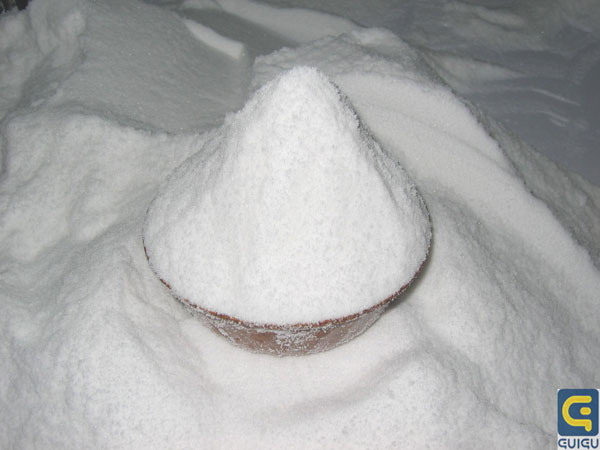
Maltitol, is a polyols made from high maltose corn syrup. It has 90% of sugars sweetness and approximately 3.0 calories per gram. The calories in Maltitol is not much of an improvement from sugars 4 calories per gram, but because it is a polyols, it uses less insulin to digest. This makes it lower in carbohydrates and safer for diabetics to consume. Like most polyols, it does not to promote tooth decay.


All though it is considered the safest of sugar alcohols, excessive consumption may have a laxative effect. Some people have considerable trouble tolerating even small doses of Maltitol. Studies have shown this may be due to the fact that in some people, the digestive process extracts considerable amounts of sorbitol. My friend wrote to me about his encounter with maltitol, and said he was in significant discomfort.


For most people Maltitol in small doses is harmless, how ever it does have a laxative effect close to Sorbitol and other polyols. Low carbohydrate diets are advised to avoid maltiol, due to the low reduction from calories to sugar. While diabetics may find some relief in the lower hypoglycemic levels of maltitol, they should be concerned with the amount ingested.

Reference links

Sugar Alcohols: Sorbitol

Monday, June 16, 2008


Sorbitol is a sugar alcohol with two thirds the calories of sugar, and 60% of sugar's sweetness. It like many sugar alcohols is not fully absorbed in the digestive process, keeping insulin levels lower then sugar would. It also does not promote tooth decay.


Sorbitol is used as a bulk sweetener, it is often used for the texture or taste it can add to food products. It has been used in a variety of products reduced in calories, sugar, or fat. Sorbital has been used for almost half a century already, it occurs naturally in a wide variety of fruits and berries.


Sorbitol has been declared as GRAS for food product use by the FDA and is approved for use by the European Union and others, including Australia, Canada and Japan. Sorbitol has many other uses apparently, in addition to food products it can be used in medications such as the following.

SORBITOL ORAL - This medication is used as a laxative to treat occasional episodes of constipation.
or
3% Sorbitol Urologic Irrigating Solution- indicated for use as a urological irrigating fluid with endoscopic instruments during trans urethral procedures requiring distension, irrigation, and lavage of the urinary bladder. It may be used for lavage of an indwelling catheter to maintain patency.

However Sorbitol has some serious down sides and dangers. It has been linked to or believed to be linked to all of, and not limited to, the following.

  • dehydration
  • Irritable Bowel Syndrome
  • diarrhea
  • rectal bleeding
  • vomiting
  • weakness
  • dizziness
  • persistent urge to empty the bowel
  • flatulence

sorbitol in quantities as low as 10g per day causes diarrhea - brought on by the so-called osmotic purge happening in the gut.

Sorbitol is a polyalcohol sugar and is neither digested nor absorbed by the small intestine. It passes through to the colon where it drives an osmotic purge (2). This means it passes through the lining of the intestine causing fluids (mostly water) to pass through in the opposite direction via osmosis. Bowel motions become watery and lead to dehydration and over time, other consequences like malabsorption of nutrients.

Link: http://www.foodintol.com/food_intolerance/hot_ibs.htm

Sorbitol may even be hazardous to diabetics, child development, and may even cause fetal damage in pregnant woman.

It is important to remember that Sorbitol is a NATURAL substance our body uses every day. How ever introducing anything, no matter how beneficial, in large and unnatural amounts is dangerous. It just so happens that sugar alcohols occur in extremely small amounts naturally and increasing them threw artificial means, can be dangerous. This is not to say never use it, I am just trying to say maybe it's better to solve the sweet tooth with natural fruit then with a sugar free cake.

Links: reference

Sugar Alcohols: Xylitol

Monday, June 9, 2008


Xylitol, can be considered one of the better Sugar Alcohols on the market. It is one of the most common polyols found in our natural food supplies. This Sugar Alcohol is often made from foods like fruits, berries, mushrooms lettuce, hardwoods, and corn cobs.

Our body actually produces some of this substance naturally in digestion and is considered a regular part of metabolism. The human body can even produce up to 15 grams of Xylitol depending on our diet.

Xylitol is also promoted for tooth care, it is believed that regular use of small amounts can help protect your teeth. It has been identified that using gum or candies made with Xylitol can stimulate saliva, witch in turn, helps keep your teeth in good shape. Some even claim that it can kill bacteria in your mouth it's self.

The daily recommendation for Xylitol is 12 to 15 grams. This however INCLUDES what your body makes naturally. Most gums and candies made of Xylitol contain .7 to 1 gram, in it's self.

The real warnings you need to know are simple. DO NOT EXCEED 15 GRAMS A DAY. Failure to comply will cause side effects. It is said that consuming 400 grams would be highly toxic to humans, and there are great concerns on the processing techniques used to mass produce Xylitol.

In lab tests, Xylitol will kill a rat 50% of the time in a dosage of 16.5 grams of Xylitol for every 1000 grams of rat. Medium rats weigh 100-120 grams, or say .25 pounds. That means, to kill a 100 gram rat, you need only to get the rat to consume, 1.65 grams of Xylitol.


There is great debates on the conclusiveness of the published MSDS for Xylitol, critics say they are inconclusive and not been proved safe for consumption. The FDA has however labeled Xylitol as GRAS for human consumption. Please note these concerns are aimed only at the MASS produced versions and not the naturally occurring substance made plants or by your body.

Resources Link: Here

A Bit More on Sugar Alcohol

Sunday, June 1, 2008


The more I read on Sugar Alcohol, the more I need to look up, here is my basic summaries on what I have discovered so far.


Sugar Alcohol 101


Sugar Alcohols are natural occurring chemicals found in foods, most commonly starches and sugars. Their chemical make up closely resembles that of both sugar and alcohol, but the substance does not contain either one. It is technically a group of carbohydrates called Polyols.

The production of these "Polyols" depend on what form of Sugar Alcohol you want. Some are extracted and some are refined from different assortment of plants and berries. Their common uses include that of bulking agent, flavoring and sweeteners.

Sugar Alcohols, once ingested are incompletely absorbed from the small intestine into the blood. This is why they are considered low carbohydrate and advertised to have weight loss and blood sugar benefits. This slow and incomplete digestion may also lead to diarrhea, bloating, cramps, and gas. This is often effected by the amount eaten and the severity greatly varies from person to person, and by types of Polyos used.

Sugar Alcohols have been determined to not decay teeth, they are considered unfermentable carbohydrates. Simply put, they do not produce the sugar acids that eat away your teeth.

For the most part, Sugar Alcohols seem to be "safe for consumption" due to the fact they are natural substances we eat in common fresh produce and grains. The dangerous part comes when people start to ingest abnormal amounts of them. The more low carbohydrate and sugar free products we eat, the more we add chemicals to our bodies in unnatural amounts.

I still have a whole lot more on this subject, and it would seem that Sugar Alcohols need to be broken down and identified by their subgroups and individually to determine the effects, benefits, and hazards of use. As it seems not all Sugar Alcohols are equal and some are much more hazardous then others.

I hope to have the dieting and blood sugar article done this week, but I will be out of the house and heavily medicated a few days. That may postpone the heavy writing until the week after.

References Link

Sugar Alcohols?

Wednesday, May 28, 2008

A friend of mine asked me the other day what I knew about Sugar Alcohol. He seemed quite optimistic at the claims made on the effects for weight loss and blood sugar. As it turns out most people don't know or don't understand properly what Alcohol Sugar is or what it does. As my concerns in nutrition cover weight loss, sugar levels and carbohydrates, I looked a bit deeper in to the topic.

Sugar Alcohol is a low calorie sweetener or flavoring commonly used to replace sugar or improve tastes of artificial sweeteners. They do not contain sugar or alcohol and are considered safe for consumption. Common examples are: Glycerol, Erythritol, Xylitol, Ribitol, Mannitol, Sorbitol, Isomalt, Maltitol, and Lactitol.

In short, we look forward to the advantages of Sugar Alcohols as a substitute to sugars because it's not known to cause weight gain, raise your hypoglycemic levels, or decay teeth like sugar.

Even thought all sweeteners and food products are extensively studied before FDA approval, we still need to be concerned with how much we use because it's a newly approved product, there are some known side effects, and a lot of claims are still in debate.

**Please note that Alcohol Sugars have not been "approved" as a whole, but some forms have been approved for limited use. The FDA official stand is "generally recognized as safe" and others as approved food additives.

I am always cautious of "new products" as some are ban after they have been approved for years. After all at one time we all painted our homes with lead and asbestos was the next big revolution in construction.

I am currently doing research in to the following topics of Sugar Alcohol: Pros, Cons, Warnings and Interactions, Sugar Alcohols with Dieting, Sugar Alcohols with Diabetes. There will be new articles and information found on this topic within the next few weeks.

References.

Fast Food Lifestyle?

Sunday, May 25, 2008

So many Americans have a fast food and take out life style. We don't want to waist time cooking or doing dishes, so we get fast food or go out to eat. A lot of people know how bad fast food is and try to avoid the items we think are the worst. We get grilled chicken and salads in stead of burgers in hopes to avoid eating the most naughty items.

Sadly, the clear choice isn't always so clear. Fast food does a good job of making the most healthy of meals the worst pick on the menu. The following web pages will help you decide what the least damaging food is when you pull up to that window.

http://www.menshealth.com/eatthis/index.php

Eat this, No that, this web site lists the best and worst picks of fast food and chain restaurants. They even cover some Supermarket picks, drinks, and more.


http://www.fatcalories.com/
This one is a fast food calculator and nutritional information guide, but it has some political messages and the owner clearly hates Rush Limbaugh. If that doesn't bother you, then I suggest checking out their combo calculator. It will let you know just how much damage your about to do and how to avoid the worst of it. They also have this one to help you find the best foods and this one to let you compare the choices side by side.


http://www.calorieking.com/foods/

This site is a calorie calculator that has fast food, deli, pizza, and store bought products. they are all conveniently categorizes with drop down or fill in searches.

I hope this helps in making your fast food choices a little more healthy every day, and remember 33% of all litter is fast food waist. Don't add to the problem, dispose properly and recycle!

Food Rookie: French(ish) Onion Soup

Thursday, May 22, 2008


One of the foods I truly enjoy is a bubbling hot crock of French onion soup. Unfortunately, like most of my favorite French recipes, it loaded with butter and fats. That's why I have devised a healthy and easier version of the soup. I can't call it French onion soup, but I can say it's smiler in taste, and so much less fat and calories.

This soup is extremely easy to make, the instructions and measurements are just rough guidelines. Experiment with this, I know it may sound crazy but the mix of onions, sauce, and beefy broth smothered in cheese is just hard to mess up. It's a tasty soup and even better the next day.

You can find detailed information on the soup including calories, nutrition, and serving size on my health blog : link here

French(ish) Onion Soup Base:

Ingredients

200 gram onion
50 gram leek, light green and white parts
300 ml vegetable broth
400 ml warm water, with one beef cube dissolved (I use Knorr brand)
10 ml Worcestershire Sauce
2
teaspoon butter

Directions
  1. Slice onions and leek thin, in to half moons.
  2. In hot pot add 2 tea butter, spread, or olive oil. When it's melted add 150 grams of onions and the leek.
  3. Saute until transparent stirring occasionally, if they begin to brown, reduce heat, add broth and simmer until tender.
  4. Add in water and broth then bring to a boil, reduce heat and simmer 10 minuets.
  5. Add reserve onion then return to boil, add Worcestershire Sauce Return to simmer for 15 minutes.
  6. Adjust flavor with additional broth, and Worcestershire Sauce, as needed.

French(ish) Onion Soup Finish:

Directions
  1. Toast your favorite bread, and layer it in center of bowl.
  2. Shred or thinly slice cheese.
  3. Poor hot soup over bread
  4. Cover with cheese
  5. Place in oven or broiler, and melt or brown the cheese as desired
  6. Enjoy!
Please note, nutritional information of soup does not cover bread and cheese, so choose wisely.

Diet Update and Todays Menu

Thursday, May 15, 2008

It's been a few weeks and I thought I would take a moment to give you an update on how the weight loss and home rehabilitation have come along. So far in 3 weeks we have lost a little over 4 kilos (10 pounds). Our walking has made it up to 10 minutes every other day, and we have weaned down the need for some of the pain killers.

I still have him on a loose 1,000 calorie diet, that I let vary up to 100 calories on days he walks. With mothers day and some Madrid holidays within the last weeks, we did cheat about 4 days. He watched how much he consumed, but still ate a lot of food and sweets you wouldn't on a diet. This lead to one week with out weight loss, but no weight gain.

Here is a sample of the meal plan we used today, this is a 1,000 calorie base and was filling even for me. I did however eat an additional yogurt and soup to reach the calories I should have in the day.

Breakfast:

  • Chocolate Puffed Cereal 30 grams (1cup) with 120 ML light milk (195 kcal)
  • 2 cups Spanish Coffee with 120 ml light milk (35 kcal each 70kcal total)

Lunch:

Dinner:

Snack:
  • 3 cups popcorn (air popped) with Parmesan cheese (120 kcal)

Snack: (100 kcal)
  • 1/2 a turkey and cheese toasty 80 kcal
  • 30 gram apple 16 kcal
  • 20 gram tomato 4 kcal

*Note: Turkey and cheese toasty, made on light bread with low fat sliced deli style turkey and reduced calorie and fat cheese. Thin tomato, onion, lettuce and a small amount of brown mustard were also added. This is a great spot to fulfill your higher calorie needs by using whole wheat bread and eating a whole apple.

Nutrition: Green is Bad.... kinda

Thursday, April 24, 2008

I just had a huge detour sign placed in my meal plans. I know that vitamin K effects blood thinners. I did not realize how much and how fast. So now I have to re-do all my meal plans and recipes, to fit in the low vitamin K end of the diet in.

Luckily I found a very helpful tool! I stumbles on this Nutrient Search Tool on NutritionData.com.

The last thing I could really use is a Spanish nutrition site! It's not easy guessing the translations of cuts of meats and such. After all not all the cuts are the same as what I am used to, plus Spain has a plethora of it's own foods not found in the counters.

On the up side, I am going to chart my progress with this diet, and I hope it can help others who need the same. If any one has any advice on where I could look for this, printed or on line, I would be thankful for the help.

Nutrition: Starting Resources

Wednesday, April 23, 2008


As promised here is my starting tools for a more healthy lifestyle. I am using these to help learn about health, food, and dieting.


Web Site


I also use About.com: calorie count plus as a food and exercise log.

Equipment
  • Food scale
  • Calculator
  • Food Log
  • Pedometer
  • Exercise Log
  • Body scale
  • Measuring Tape
  • Watch (or clock with second hand, to take pulse)
  • Copy Book
  • Pen

It's an easy start, and again http://caloriecount.about.com/ has a recorder for all the info and can help you set a healthy calorie count to gain or loose weight.

As for me, I just recorded in a book my measurements, weight, and resting pulse. Started the 10,000 steps program and keep a strict food log, trying to meet my calorie count from about.com.

More to come as time goes on and my routines evolve in to more effective processes.

Learning to Live: Nutrition

Tuesday, April 22, 2008


Last week I began to map out meals and snacks to help us loose weight and start a healthy lifestyle. As always we have the challenge of frugality, limited access, and a language barrier now added to my new challenge of nutrition control.

After planning out a few days worth of meals and snacks, I was amazed how much can fit in to a strict calorie, and carbohydrate restricted diet. I was just as amazed to see how hungry you can still be after eating all that food.


This is the first week of the diet and I expect to be hungry, after all it takes time for your body to adjust and stomach to shrink down a bit. To help make this transition easier, I went to the web. Here I found recipes for food that would fit in to our meal plans, or at least I thought I did.

After plugging the recipes in to some calorie counters, you would be surprised the differences that come up. It seems a lot of people miscalculate the calories, often leaving out the cooking agents like butter and oil, or misjudge the serving sizes.

This has lead me to create my personal menu challenge. I am making one menu 3 meals and 2 snacks that add up to 1,000 calories a day and a second menu that adds up to 1,600 calories a day. For people who read this and don't know me personally, 1,000 calories is NOT a healthy amount for any one to eat, unless you are under doctors orders to do so.

I will post more on my menus, nutrition tools, and recourses in upcoming posts this week for any who are interested. I am not looking to make this a dieting blog, but I will keep health and nutrition a topic.

Health - 10,000 steps

Friday, April 11, 2008


So there is this US website called Shape up America, and it's based to help fight obesity. They have a special section aimed for child obesity and a new all age program called 10,000 steps. This is not the first gimmick the government has sponsored to help get people in shape, and by no means will it be the last.

So what makes this one so special that I am adding it to my blog?

Simply, this is one that finally makes since!
Yes that's right, they found a way to make people to busy or lazy to get in shape, do some movement and with out any expensive equipment or dedicating time to work out.

The simplicity to this program can be summed up in three steps:

1) Buy a Pedometer
2) put it on every day
3) take 500 more steps then you did last week.

A pedometer is simply a step counter, they are low cost, some times less then 5 usd, and easy to get. Amazon, Walmart and most pharmacies carry them, and they are small and easy to use.

Taking 500 steps may seem like a lot, but going from your car to the bathroom in your job then to your desk or work station is probably about 300 steps. I started this program already and in just a few weeks with out dieting or any additional exercise, I have lost about 3 pounds.

It may not seem like a lot, but I ate ice cream for desert for a whole week, literally!
Take a look and give it a try, it can't hurt and wont cost you more then a few cups of coffee.

10,00 steps program link here: http://www.shapeup.org/shape/steps.php

Amazon Pesometers Link here: Amazon Pedometer List